

As more businesses rely on Shopify to power their online stores, the question eventually comes up: Should you hire an in-house Shopify developer? It sounds like the perfect solution—instant access to expertise, faster changes, full control—but the reality has more layers.
Here’s a balanced breakdown to help you decide whether bringing a developer into your internal team is the right move.
The Pros
1. Faster Turnaround and On-Demand Support
When your developer is part of your team, you’re not waiting in line behind other clients.
Small fixes, theme adjustments, integrations, and urgent issues can be handled immediately.
For fast-moving brands, this agility is a massive advantage.
2. Deep Understanding of Your Business
An in-house developer isn’t just coding—they’re learning your brand, your customers, your operations, and your long-term goals.
They design solutions that fit your unique workflows instead of generic one-size-fits-all implementations.
3. Better Collaboration Across Teams
Marketing wants a landing page tweak? Operations needs an automation? Customer service wants a feature adjusted?
An internal developer bridges all departments, reducing bottlenecks and miscommunication.
Internal communication beats agency back-and-forth every time.
4. Higher Consistency and Long-Term Quality
A rotating chain of freelancers often leads to inconsistent code quality.
An in-house dev builds systems with long-term maintainability in mind—cleaner code, better documentation, fewer patchwork fixes.
5. Cost-Effective for High-Volume Development
If your store frequently needs new features, custom apps, CRO testing, constant updates, or weekly theme changes, hiring full-time can be cheaper than paying an agency or freelancer for every request.
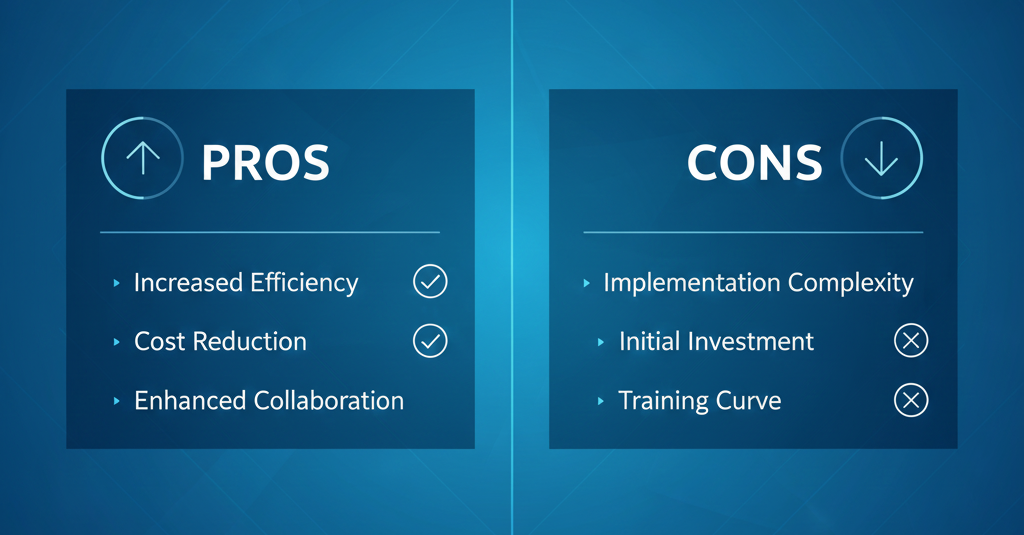
The Cons
1. Higher Upfront Cost
A good Shopify developer isn’t cheap.
Salary, benefits, software, training, and onboarding can stack up quickly.
2. Limited Skill Range
Shopify developers usually specialise in certain areas—theme development, Liquid, frontend work, backend automation, or app development.
But Shopify often requires a mix of:
• UX/UI knowledge
• Design sense
• CRO expertise
• API integrations
• Store operations understanding
One person can’t cover the entire spectrum as well as a full agency team.
3. Risk of Dependency
If the entire technical knowledge of your store depends on one person, you can get stuck.
When they take leave, resign, or burn out, your whole system can be disrupted.
This is a silent but very real risk for ecommerce brands.
One person can’t cover the entire spectrum as well as a full agency team.
4. Continuous Training Is Necessary
Shopify evolves fast—new APIs, new checkout rules, new performance guidelines, new theme architecture.
If you hire in-house, you commit to keeping them trained, skilled, and updated.
Without this, your store will eventually fall behind.
5. Not Ideal for Small Stores
If your brand only needs occasional updates and small fixes, a full-time developer becomes unnecessary overhead. You’ll end up underutilising them—essentially paying for idle hours.
So, Should You Hire In-House?
Hiring an internal Shopify developer makes sense if:
• your store is scaling fast,
• you ship features constantly,
• you need consistent output,
• you value speed and collaboration, and
• you want long-term technical stability.
But if your store is still small, only needs occasional work, or you prefer flexible costs, an external developer or agency may be more practical.
There’s no universal answer—it depends on your brand’s growth stage, technical needs, and capacity to invest.
What’s certain is this: your Shopify store grows as strong as the people building and maintaining it.